AI Takes Center Stage: From Gaming to Smart Homes, a Day of Disruption
Today’s AI news paints a picture of an industry in hyperdrive, rapidly expanding its reach into our games, operating systems, and even our understanding of its own limitations. The headlines serve as a reminder that the AI revolution isn’t a future concept, but a present reality, full of both exciting possibilities and legitimate concerns.

The gaming world is the latest to be significantly impacted, with reports indicating that Microsoft is leveraging generative AI in the development of new Halo games, including a remake of Halo CE. This move signals a potential shift in how games are created, promising streamlined development but also raising questions about the role of human creativity in the process. Will AI-assisted game development lead to more innovative experiences, or will it result in a homogenization of content?
AI in the Headlines: From Smart Glasses to Cancer Research

Today’s AI news is a mixed bag, showcasing both the exciting potential and the current limitations of the technology. We’re seeing AI creep into our operating systems, assist in scientific breakthroughs, and even attempt to augment our reality through wearable tech. However, challenges remain in making AI truly helpful and reliable in everyday life.
Microsoft is making waves by ending support for Windows 10 and pushing users towards Windows 11, which is increasingly becoming an AI-centric operating system. As Futurism reports, this new version of Windows is packed with AI features that, while potentially powerful, could also be seen as overbearing or even invasive. It raises questions about how much control we’re willing to cede to AI in our daily computing experiences.
AI Advances in Cancer Treatment and Content Filtering Dominate Today's News
Today’s AI news is a mixed bag of hope and caution. We’re seeing incredible progress in AI’s ability to tackle complex problems like cancer, but also a growing awareness of the need to control the influence of AI-generated content. Let’s dive in.
 Source: Interesting Engineering
First, the good news: Google DeepMind, in collaboration with Yale, has announced a significant breakthrough in cancer research. Their 27-billion-parameter AI model has identified a previously unknown pathway that could make certain “cold” tumors, which are typically resistant to the body’s immune system, treatable. This discovery, now confirmed in living cells, demonstrates AI’s potential to accelerate our understanding of complex biological processes and develop new therapies. It’s a powerful reminder of AI’s potential to solve some of humanity’s biggest challenges.
AI Leadership Shuffle at Apple, Sora 2 Sparks Controversy, and Gemini Gets Scheduling Savvy
Today’s AI news paints a picture of both exciting advancements and potential turbulence. From leadership changes at major tech companies to ethical questions surrounding AI-generated content, and practical AI implementations, it’s clear that the field continues to evolve at a rapid pace.
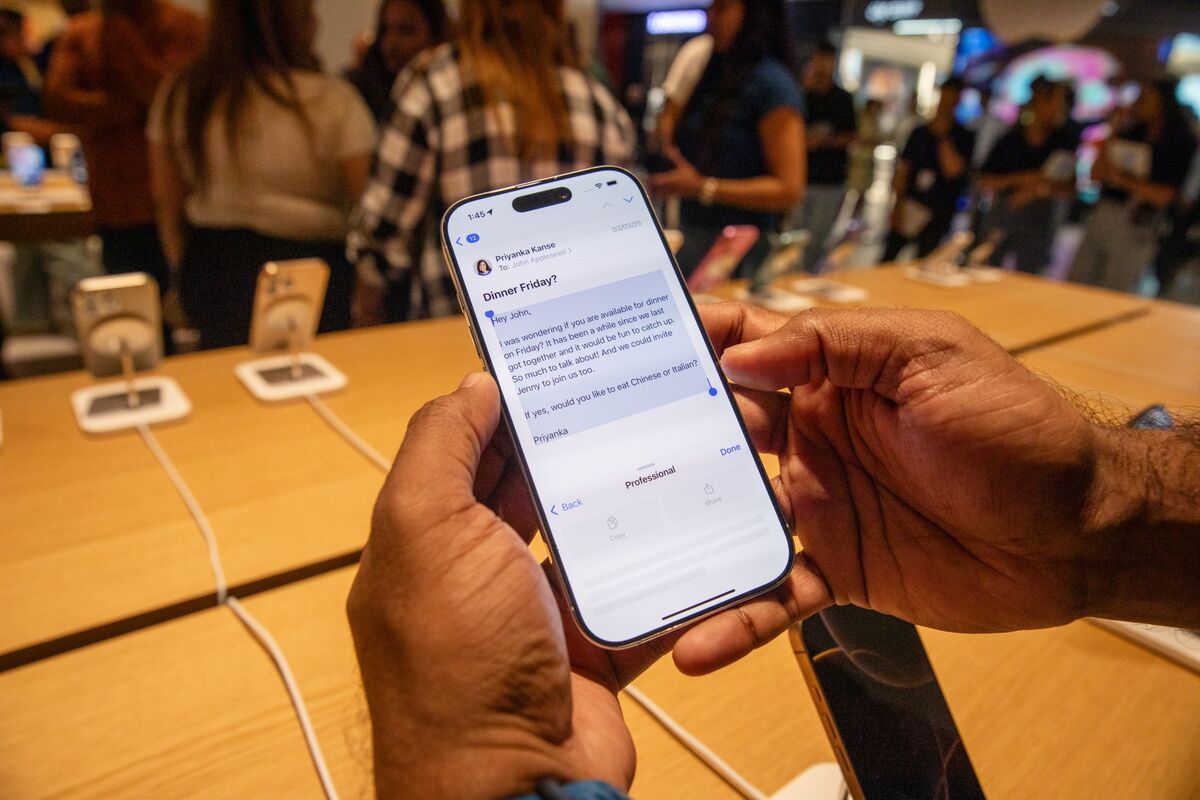
First up, a significant shift in the AI landscape: Bloomberg reports that Apple’s executive leading their AI-driven web search initiative is departing for Meta. This marks another high-profile exit from Apple’s AI division, raising questions about the company’s strategy and progress in the competitive AI space. The move highlights the intense talent war raging among tech giants as they race to dominate the AI landscape. Meta’s gain is undoubtedly a potential setback for Apple, suggesting that catching up in the AI-search arena will be an uphill battle.
Microsoft Joins the AI Image Arena + The Ethics of AI-Driven Code
Today’s AI news is a mix of the practical and the philosophical. Microsoft is stepping up its game in AI image generation, while the question of whether AI is changing how we derive satisfaction from programming sparks debate.

First up, Microsoft is now testing its own in-house AI image generation model, and you can try it out! According to ZDNet, the model is already performing well, even landing in the top ten on the AI leaderboard LMArena. This is a significant move for Microsoft, signaling its commitment to being a major player in the generative AI space. With the likes of DALL-E, Midjourney, and Stable Diffusion already established, it will be interesting to see how Microsoft’s offering stacks up and what unique features it brings to the table.
AI Confidence Crisis? Plus Microsoft Enters the Image Generation Arena

Today’s AI news paints a fascinating, if slightly unsettling, picture. From growing skepticism among AI researchers to Microsoft’s bold move into image generation, there’s a lot to unpack. Are we losing faith in the tools we’re building, or are we simply becoming more discerning?
A preliminary report is suggesting that scientists are losing trust in AI, with confidence in AI software dropping significantly over the past year. This is according to Futurism, who reported that as scientists work more with AI, the less they trust it. This could be a sign of the hype surrounding AI finally meeting the reality of its current limitations, or perhaps a growing awareness of potential biases and unintended consequences. It raises important questions about how we validate and interpret AI-driven results, especially in critical fields like scientific research.
AI's Shifting Sands: Apple's Challenge and Beelink's Surprise
Today’s AI landscape feels like it’s rapidly evolving, with both challenges and unexpected advancements coming to light. From a former CEO’s stark warning to a surprisingly powerful system, the narrative around AI is anything but static.
The most striking news comes from the world of Apple. Business Insider reports that former Apple CEO John Sculley believes the company now faces its “first real competitor” in decades: OpenAI. His concern stems from the observation that “AI has not been a particular strength for the business.” This is a significant statement, considering Apple’s historical dominance in consumer technology. It raises questions about whether Apple can adapt quickly enough to the new AI-driven landscape. On a similar note, TechCrunch echoes this sentiment, arguing that it’s not too late for Apple to get AI right and that Apple’s smarter Siri and deep ecosystem could keep it ahead, even as OpenAI launches its ChatGPT app platform
AI Takes Center Stage: Google's Nano Banana, Apple's Computer Vision, and Copilot's New Skills
Today’s AI news is buzzing with activity on multiple fronts. Google is expanding its AI-powered image editing, Apple is reportedly making strategic acquisitions, and Microsoft’s Copilot is gaining new capabilities. It’s a day of practical applications and corporate maneuvering, solidifying AI’s role in our daily lives.

First up, Google is bringing its “Nano Banana” image editing, which leverages the Gemini 2.5 Flash Image model, to both AI Mode in Search and Google Lens. According to 9to5Google, this expansion allows users to generate and edit images directly within these commonly used tools, making AI-driven creativity more accessible than ever.
AI in the Headlines: Apple's Acquisition and Copilot's New Tricks
Today’s AI news features both corporate moves and practical implementations. Apple’s potential acquisition of a computer vision startup signals a continued push into on-device AI, while Microsoft is expanding its Copilot AI assistant, embedding it deeper into everyday productivity workflows. Let’s dive in.

The big rumor today is that Apple is nearing a deal to acquire Prompt AI, a computer vision startup known for its home security camera app, Seemour. This aligns with Apple’s history of bringing AI capabilities directly to its devices, enhancing user privacy and responsiveness. Computer vision, which allows machines to “see” and interpret images, is a crucial technology for everything from augmented reality to autonomous driving. If the acquisition goes through, expect to see even smarter, more context-aware features in future Apple products.
AI Browser Dia Launches Publicly: The Future of Browsing is Here?
Today’s AI news spotlights a potentially transformative shift in how we interact with the internet. The Browser Company has officially launched Dia, its AI-powered browser, to the public on Mac. This marks a significant moment, opening up AI-driven browsing to a wider audience and sparking a debate about the role of AI in our daily online experiences.
According to MacRumors, Dia has been in beta since June, but this public release signifies a new phase in its development and adoption. It’s not just about a new interface or a few added features; it’s about fundamentally changing how we search for, process, and interact with information online.